Opening the Tricks of Veneers: Truths, Kinds, and Benefits for an Attractive Smile
Veneers use an engaging option for those seeking to enhance their smiles. These oral enhancements can deal with various blemishes, from staining to imbalance. With alternatives like porcelain and composite, individuals can select based on their preferences and demands. However, comprehending the subtleties of veneers, consisting of application and treatment, is necessary. What elements should one take into consideration before choosing? The solutions might stun those interested in this visual oral option.

Understanding Veneers: What Are They?
Veneers are slim, tailor-made shells developed to cover the front surface area of teeth, enhancing their look. Typically crafted from sturdy products, these coverings are tailored to fit each individual's teeth specifically. They serve multiple objectives, consisting of fixing visual imperfections such as discoloration, chips, or spaces. The application process entails a dental professional preparing the teeth, typically by removing a tiny amount of enamel to ensure a tight fit. Once prepared, the veneers are bonded to the teeth utilizing a solid adhesive.
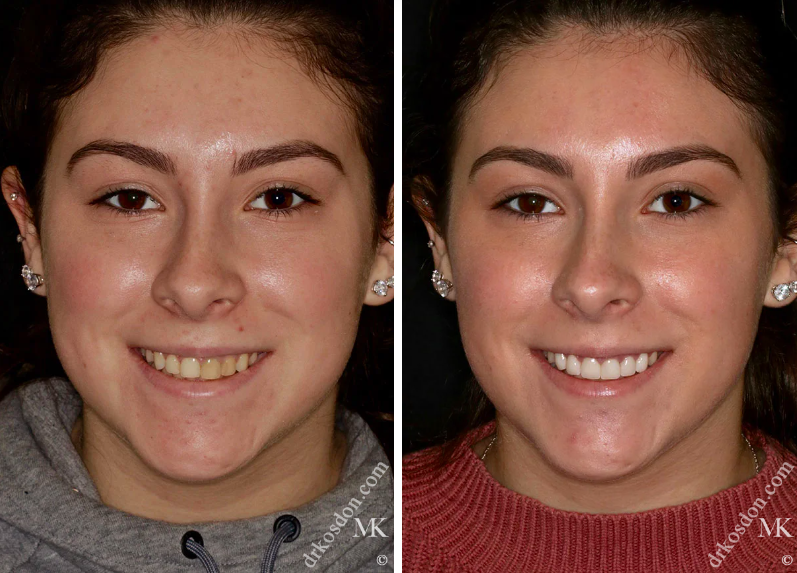
Clients frequently choose veneers for their capacity to create a natural-looking smile while giving a durable service to oral flaws. Unlike various other aesthetic dentistry alternatives, veneers require marginal invasive treatments, making them a preferred option. The result is an improved smile that can significantly enhance a person's self-confidence and self-esteem. Generally, veneers use an efficient approach to accomplishing a more unified and eye-catching dental look.
Sorts of Veneers: Porcelain vs. Compound
When taking into consideration aesthetic oral choices, 2 key kinds of veneers attract attention: porcelain and compound. Porcelain veneers are crafted from a long lasting ceramic product that simulates the all-natural look of teeth. They are recognized for their discolor resistance and ability to mirror light in a similar way to all-natural enamel, giving an aesthetic appeal that many individuals wish. The application procedure normally involves even more preparation of the tooth structure and might call for numerous check outs to the dental professional.
On the various other hand, composite veneers are made from a tooth-colored resin that is straight put on the teeth. This kind enables quicker application and can typically be completed in a solitary visit. While they are more economical than porcelain veneers, they might not offer the same durability or resistance to staining. Ultimately, the choice between porcelain and composite veneers depends on individual choices, spending plan, and details oral needs.
The Advantages of Deciding On Veneers
Selecting veneers uses many benefits that can substantially boost both the appearances and functionality of an individual's smile. One of the primary advantages is their capability to fix flaws such as staining, voids, and imbalance, causing a much more consistent look. Veneers can additionally improve the sturdiness of teeth, supplying a protective layer that shields them from damages.
Additionally, they require marginal tooth prep work compared to various other dental procedures, maintaining more of the all-natural tooth structure. This conservation adds to a healthier dental environment while still accomplishing a stunning smile.
Veneers are highly personalized, allowing individuals to select the form, size, and shade that finest fits their choices. Furthermore, they are stain-resistant, making it less complicated to keep a eye-catching and bright smile in time. In general, veneers provide an effective alternative for those seeking both aesthetic improvement and long-term oral health benefits.
The Veneer Application Process
The veneer application procedure includes numerous key steps to assure suitable outcomes. Initially, an examination is performed to analyze the person's demands, adhered to by the prep work and shaping of the teeth. Ultimately, the veneers are bound in position, with adjustments produced an ideal fit and look.
Initial Assessment Steps
An extensive initial appointment is important for any individual thinking about veneers, as it sets the foundation for a successful therapy. Throughout this meeting, the oral specialist examines the person's oral health, talking about any kind of existing issues that could affect the veneer application. This evaluation may include X-rays and a visual exam to establish the problem of the teeth and periodontals.
The dentist likewise engages the individual in an in-depth conversation about their aesthetic objectives, choices, and expectations. They may provide various veneer options tailored to the individual's particular needs. Additionally, the specialist describes the procedure, possible threats, and aftercare demands, ensuring that the client is comfortable and educated prior to continuing with the therapy.
Preparation and Forming Teeth
After the preliminary assessment, the next phase entails the preparation and shaping of the teeth to suit the veneers. This vital action is carried out by the dental professional, who meticulously assesses the tooth structure to establish the amount of enamel that requires to be gotten rid of. Usually, a slim layer, usually around 0.5 millimeters, is shaved off to guarantee an appropriate fit for the veneers. Accuracy is vital during this procedure, as it impacts both the general comfort and the visual end result. As soon as the teeth are appropriately shaped, impressions are required to produce custom veneers that straighten completely with the client's oral account. This meticulous preparation establishes the phase for an effective veneer application, boosting both look and function.
Bonding and Final Changes
Adhering to the shaping and prep work of the teeth, the bonding procedure starts, marking an important stage in the veneer application. During this phase, a dental adhesive is used to the prepared tooth surface area, assuring a strong bond in between the tooth and the veneer. The dentist carefully places the veneer, making adjustments to accomplish the desired alignment and appearances. Once properly put, an unique light is utilized to cure the adhesive, strengthening the bond. After curing, the dental practitioner carries out final changes, cutting any excess material and fine-tuning the veneer's shape to assure a natural appearance. This mindful interest to information boosts both function and appearances, adding to an overall attractive smile that is durable and sturdy.
Caring for Your Veneers: Maintenance Tips
Taking care of veneers is necessary to keep their appearance and longevity. A regular daily cleansing routine, conscious avoidance of tarnishing foods, and normal dental examinations are vital parts of effective maintenance. These techniques assist ensure that veneers continue to be in peak problem and remain to improve one's smile.
Daily Cleaning Regimen
On a regular basis maintaining veneers is crucial for their long life and appearance. An appropriate day-to-day cleansing regimen can help protect their luster and avoid damages. Dental experts advise cleaning two times a day with a soft-bristled tooth brush and fluoride toothpaste, guaranteeing that all surfaces are cleaned up carefully to prevent scraping the veneer surface area. Flossing daily is also crucial to eliminate food bits and plaque from in between teeth, where brushes might not reach. In addition, using an antimicrobial mouthwash can aid preserve oral hygiene without damaging the veneers. It is a good idea to prevent rough cleaners and tools that can scrape the veneer. By adhering to these straightforward steps, individuals can maintain their veneers looking gorgeous while advertising general oral health.
Staying Clear Of Staining Foods
Veneers are developed to boost the appearance of teeth, their sensitivity to tarnishing demands cautious nutritional selections. It is essential for individuals with veneers to be mindful of specific foods and drinks that can lead to staining. Dark-colored items such as coffee, merlot, and berry juices must be consumed in moderation, as they are known to tarnish both natural teeth and veneers. Additionally, acidic foods like citrus fruits canister damage the bonding representatives made use of in veneers, making them a lot more susceptible to discoloration. To keep an intense smile, it is advisable to wash the mouth with water after taking in discoloration foods and to exercise routine oral hygiene. These thoughtful choices contribute considerably to the longevity and looks of veneers.
Normal Dental Check-ups

Maintaining the stability of veneers needs a dedication to normal dental examinations, as these consultations play an important duty in guaranteeing their longevity and look. Throughout these brows through, dental experts can examine the problem of the veneers, checking for any kind of go to website indications of wear, damage, or underlying dental issues. In addition, routine cleanings help eliminate plaque and tartar that can gather around the veneers, advertising overall dental health. Dentists can likewise provide personalized advice on treatment strategies and items matched for veneer maintenance. By sticking to a schedule of exams, people can resolve prospective issues early, guaranteeing their smile continues to be stunning and dynamic. Inevitably, normal dental sees are a critical part of veneer care.
Is Veneers the Right Alternative for You?
Determining whether veneers are the right alternative typically copyrights on specific oral needs and aesthetic objectives. For those looking for to resolve issues such as discoloration, chips, or imbalance, veneers can give a transformative option. Prospects generally include people with healthy teeth but desire a boosted smile.
It is important to take right into account elements such as tooth enamel condition, the level of oral issues, and the willingness to preserve veneers. Consulting with a dental expert is crucial, as they can review dental health and establish if veneers are suitable
In addition, potential prospects need to show on the lasting commitment, as veneers might call for substitute every 10-15 years. Cost factors to consider additionally play a significant role, as veneers can be a significant investment. Eventually, the choice needs to be knowledgeable, balancing visual wishes with sensible considerations for enduring results.
Frequently Asked Concerns
For How Long Do Veneers Generally Last Before Requiring Substitute?
Veneers typically last between 10 to 15 years prior to requiring replacement. Factors such as hop over to here oral health, way of life options, and worldly quality can affect their long life, making routine oral check-ups necessary for maintaining their problem.
Are Veneers Safe for Individuals With Delicate Teeth?
Veneers can be secure for people with delicate teeth, however it commonly relies on the intensity of level of sensitivity and the dental professional's strategy. Consulting an oral professional before continuing is important to ensure ideal outcomes.
Can Veneers Be Eliminated or Changed Quickly?

Do Veneers Discoloration Gradually, and How Can I Avoid It?
Veneers can discolor in time, especially from foods and beverages like coffee or merlot. To stop staining, maintaining good oral health, making use of a straw for drinks, and regular dental cleanings are recommended practices.
What Is the Price Array for Getting Veneers?
The expense of veneers generally ranges from $500 to $2,500 per tooth, depending on elements such as product kind, dentist experience, and area. Clients must seek advice from oral experts for individualized quotes and funding choices.
When the teeth are adequately shaped, impressions are taken to produce custom-made veneers that straighten completely with the client's dental profile. During this phase, a dental adhesive is used to the ready tooth surface, ensuring a strong bond in between the tooth and the veneer. It is crucial to take into account factors such as tooth enamel problem, the level of oral problems, and the willingness to preserve veneers. Veneers can be risk-free for people with delicate teeth, however it often depends on the intensity of level of sensitivity and the dental expert's method. The cost of veneers normally ranges from $500 to $2,500 go to website per tooth, depending on variables such as material type, dentist experience, and place.
Comments on “Dental Veneers: Types, Applications, and Choosing the Right One”